Plenteous / Owner Education · No. 1
Renting Your Home 101
A practical guide to owning and running a rental.
Upstate South Carolina / Fourth quarter 2026
By Dan D’Ambrosio, Founder, Plenteous; Broker-in-Charge, Plenteous Management. Fourth quarter 2026 edition · Updated · Sources reviewed
Download the PDF (47 pages, 3.7 MB)

The short answer
Renting Your Home 101 is a free guide for Upstate South Carolina owners deciding whether to rent out a house. It covers how a rental builds wealth, a worked budget with three financing scenarios, the tax questions to settle early, and how to run a tenancy from move-in to move-out.
A note from the owner
Before you start
A rental can be a good investment. First, make sure it is a good decision for you.
You may be moving and wondering whether to keep the house you are leaving. You may have inherited a home, had a difficult experience as a landlord, or already own five rentals and be weighing the next one. This guide starts with the questions those owners have in common: what the house can earn, what it can cost, and who will do the work.
Our team has spent more than ten years owning and managing rental homes in the Upstate of South Carolina. We manage a little over two hundred homes, including 144 of our own. We have taken the Friday-afternoon repair call, opened the property-tax bill and read it twice, and sat on the hard benches in magistrate court. That experience shapes these pages.
This is an owner-education guide from a property management company. We hope it helps you make a sound choice, whether you hire us, manage the house yourself, sell it or wait. We answer questions about the guide whether or not we ever do business together.
Start with the reading routes below. The examples explain the decisions; the worksheets turn them into a plan for your address. Named owners are composites, and financial figures are illustrations rather than quotes or promises.
Keep the guide for the ordinary work, too: comparing a repair quote, offering a renewal, reviewing a statement or responding when rent is late. Clear expectations and dependable follow-through serve both the owner and the person who calls the house home.
Read what you need now. Keep it for later.
Dan D’AmbrosioFounder, PlenteousBroker-in-Charge, Plenteous Management
Start here
Start with your decision
Renting, selling or waiting can each be sound. Start with your numbers, timing, cash needs and willingness to own a rental.
01
Your first rental
Use the example and your budget, then tax changes, move-in preparation and management.
02
Five homes, considering more
Review the portfolio check, turnover costs and the evidence to request from a manager.
03
Moving: rent or sell
Start with the decision and worksheets. Check tax timing, financing and any planned return.
Before you list
Six steps
- 1
Check permission.
Review loan terms, association rules, local rental requirements, and any existing occupancy commitments.
- 2
Get real estimates.
Gather comparable rents, a rental property-tax estimate, and an insurance quote for the intended use.
- 3
Walk the house.
List safety work, repairs, and aging equipment. Price the work needed before occupancy.
- 4
Build the budget.
Calculate cash flow, money needed upfront, and a reserve. Test a difficult year as well as an ordinary one.
- 5
Assign the work.
Choose who handles leasing, repairs, records, and tenant communication. Set approval limits and an emergency contact.
- 6
Prepare the tenancy.
Arrange a reviewed lease, lawful written screening standards, deposit handling, and a documented move-in process.
The guide
What's inside
Part one / The foundations
What you are really getting into
The opportunities, the responsibilities, and the preparation that gives you choices.
Part two / The numbers
Make the numbers yours
A worked budget, three financing scenarios, a difficult year, and two worksheets for the decision in front of you.
Part three / Running it well
Running it well
The life of a tenancy in the order it happens, the owner’s calendar, and the page to open when something breaks.
Chapter 18
When something happens
A calm first action, followed by the right process.
Start with safety, facts and documentation. This quick reference points you to the fuller explanation. Use the actual lease, current rules and professional help when the situation calls for them.
| Situation | First action | Read more |
|---|---|---|
| A leak, loss of heat or another urgent failure | Protect people and stop damage safely. For immediate danger call emergency services or the utility. Arrange prompt qualified help and document the response. | Chapter 12 |
| The rent is late | Verify the ledger, contact the tenant and follow the lawful lease and notice process. Seek advice promptly if no workable written plan exists. | Chapter 13 |
| The tenant wants to end the lease early | Review the lease and applicable law before stating charges or deadlines. Put agreed terms in writing and plan reletting. | Chapter 10 |
| An assistance-animal request | Use the reasonable-accommodation process. Request supporting information only when permitted; approved assistance animals are not subject to pet fees. | Chapter 11 |
| Heating and air equipment fails | Assess urgency and get a diagnosis. Compare repair and replacement using condition, reliability, remaining service and written costs. | Chapter 12 |
| The deposit is disputed | Compare the condition records and itemized costs. Confirm the statutory deadline and review any disputed charge against the evidence. | Chapter 15 |
| The property-tax bill jumps | Check the assessment status, taxable value and district with the county. Confirm whether the bill is correct before revising the budget. | Chapter 8 |
| You want to raise the rent | Compare current rents, payment history, costs and possible turnover. Follow lease terms and required notice. | Chapter 14 |
| You are thinking about selling | Check tax timing, net sale proceeds and the use of your equity. Review any lease before promising vacant possession. | Chapter 8 · Chapter 9 |
| Storm or water damage | Make safety the priority, prevent further damage when safe, document the loss and notify the carrier promptly. Confirm what the policy covers. | Chapter 10 · Chapter 12 |
| A neighbor or association complains | Verify the facts and the relevant rule before contacting the tenant. Use required notice and cure procedures when applicable; document the outcome. | Chapter 10 |
| A statement is missing or unclear | Request the ledger, invoices and an explanation promptly. Compare records with the agreement and escalate unresolved discrepancies. | Chapter 19 |
The houses we mean
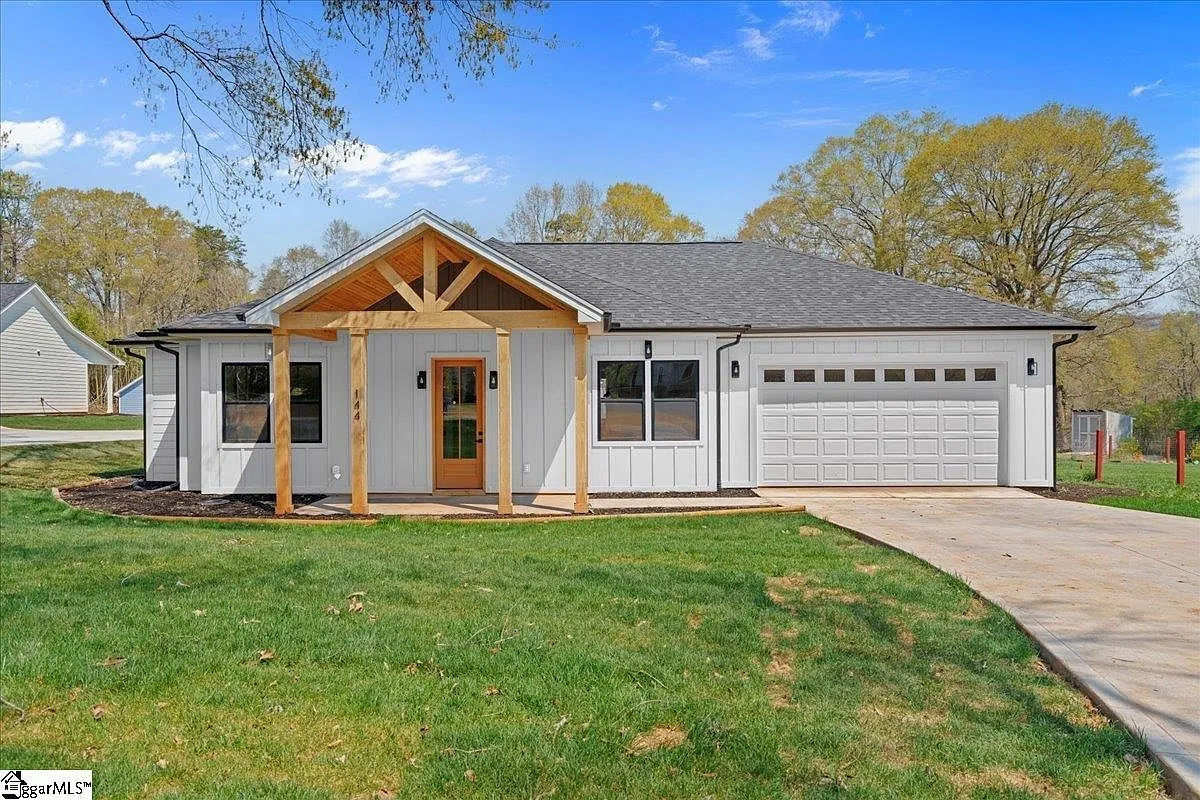
Not every rental is a new build
Rentals take many forms across the Upstate. These photographs show the range of local housing; each address needs its own budget, condition review and check of the applicable rules.
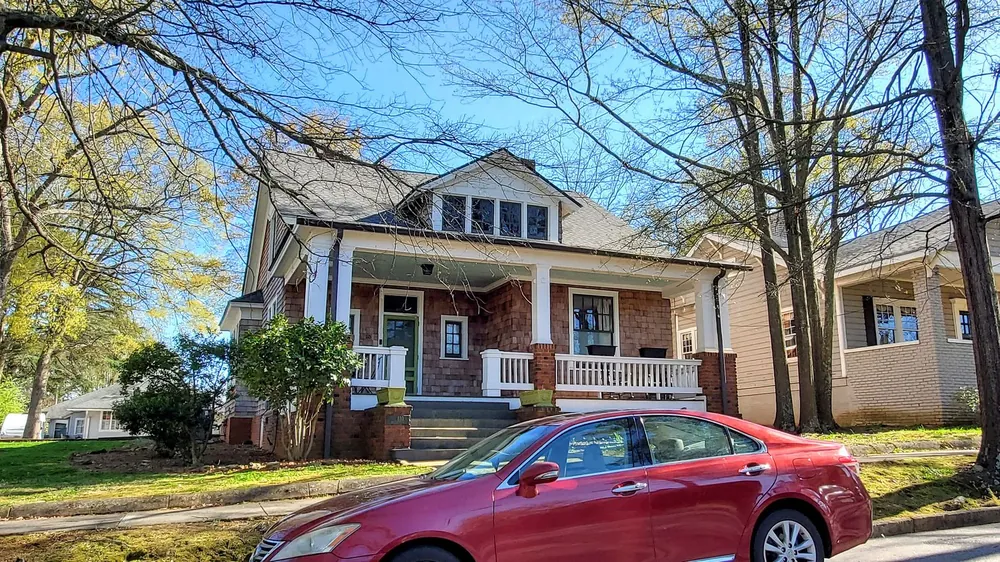
Single-family
A bungalow on Whitsett Street, Greenville.Photo: Upstateherd, CC BY-SA 4.0
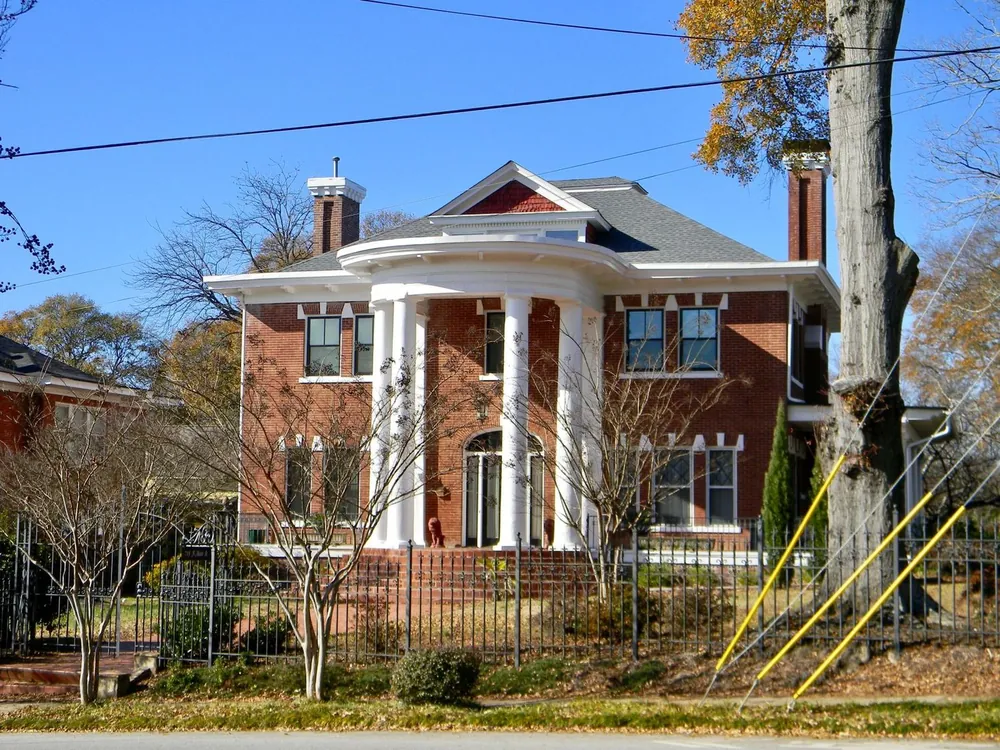
Single-family
A century-old brick house on North Main, Greenville.Photo: Upstateherd, CC BY-SA 4.0
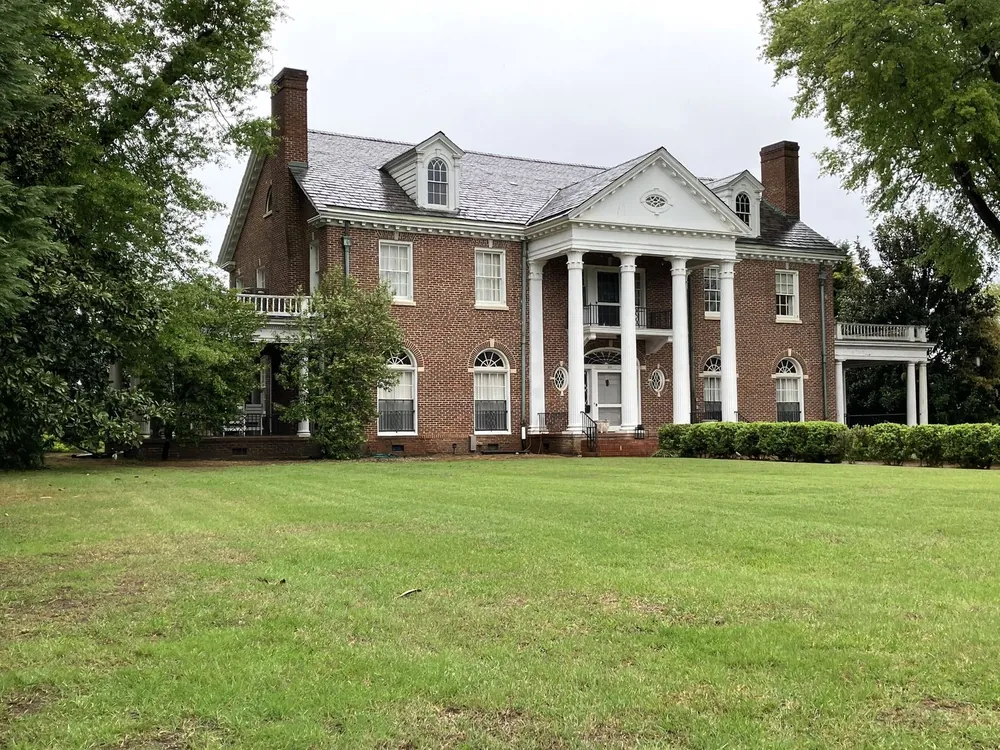
Single-family
A colonial in Greer.Photo: Bmzuckerman, CC BY 4.0
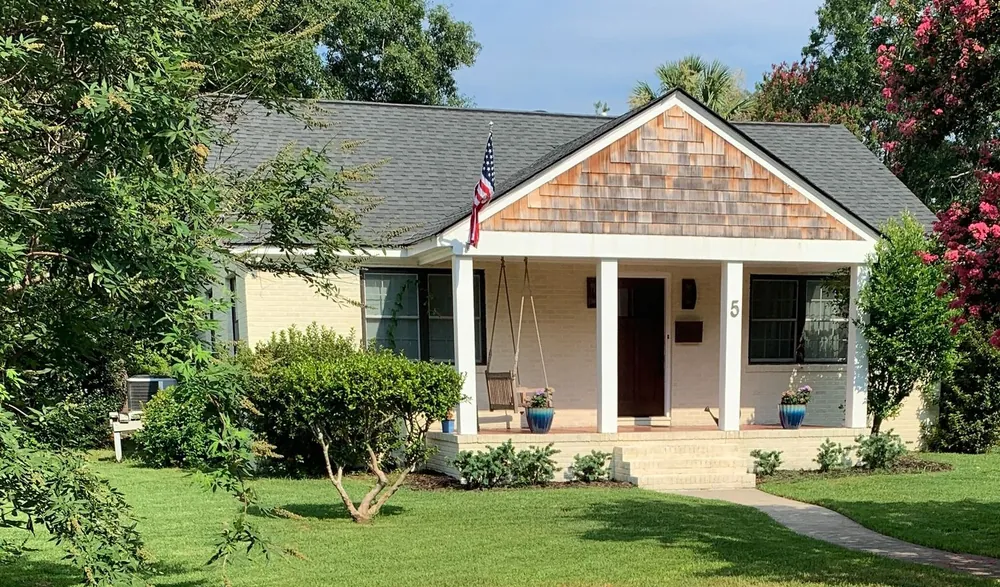
Single-family
A craftsman in Clemson, near the university.Photo: ProfReader, CC BY-SA 4.0
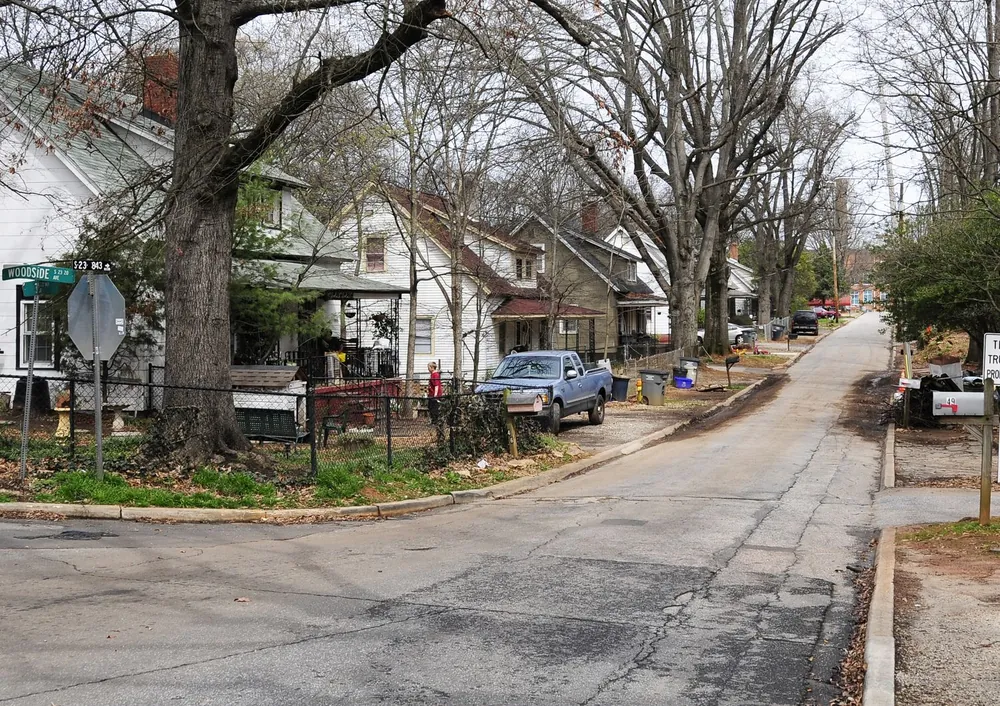
Mill village
Woodside, Greenville: small houses built for mill workers a century ago.Photo: Bill Fitzpatrick, CC BY-SA 3.0

Small apartments
Brandon Mill, Greenville: a cotton mill turned into lofts.Photo: Upstateherd, CC BY-SA 4.0
Keep these close
The ideas in one place
01
Renting, selling and waiting can each be sound. Compare cash, timing, equity and the work involved.
02
Cash, loan reduction, value changes and tax effects answer different questions. Do not treat them as interchangeable.
03
Include vacancy, fees, repairs, turnover, taxes and insurance. Then fund replacements and subtract principal and interest.
04
An accessible reserve helps you respond. A long holding period offers flexibility, not a guarantee of profit.
05
Use the rental tax estimate. Check your home-sale exclusion timing before committing to a lease.
06
Review price, presentation, showing access and condition. Use actual leasing evidence to guide changes.
07
Use lawful written criteria, accurate information and a consistent process. Document the decision and required notices.
08
Communicate respectfully, keep records and follow the lease and law. Put workable arrangements in writing.
09
The example turn costs $4,175. Compare that with the increase, the market and the chance of a vacancy.
10
Photograph the home, consider age and ordinary wear, and support lawful deductions with a clear accounting.
11
Review promptly from month one. Use a full year to judge performance, and investigate discrepancies when they appear.
12
A fee schedule, statement, inspection report and approval policy make a manager’s promises easier to evaluate.
Questions about the guide: hello@plenteous.com / 864-400-0808
A closing thought
A decision you can live with
The water heater may still fail on a Friday. Preparation changes what happens next: you have a repair contact, clear authority to act and money available. The resident knows whom to call. You can deal with the problem without making the future of the whole property depend on that one evening.
That is what a sound rental plan buys you: room to make good decisions. Know the costs, maintain the house, communicate clearly, review the records and keep enough cash to respond when the year differs from the budget.
Keeping the property is one possible outcome. Selling it or waiting can be just as well judged. Choose the path that fits your numbers and your life, then do the work that path requires.